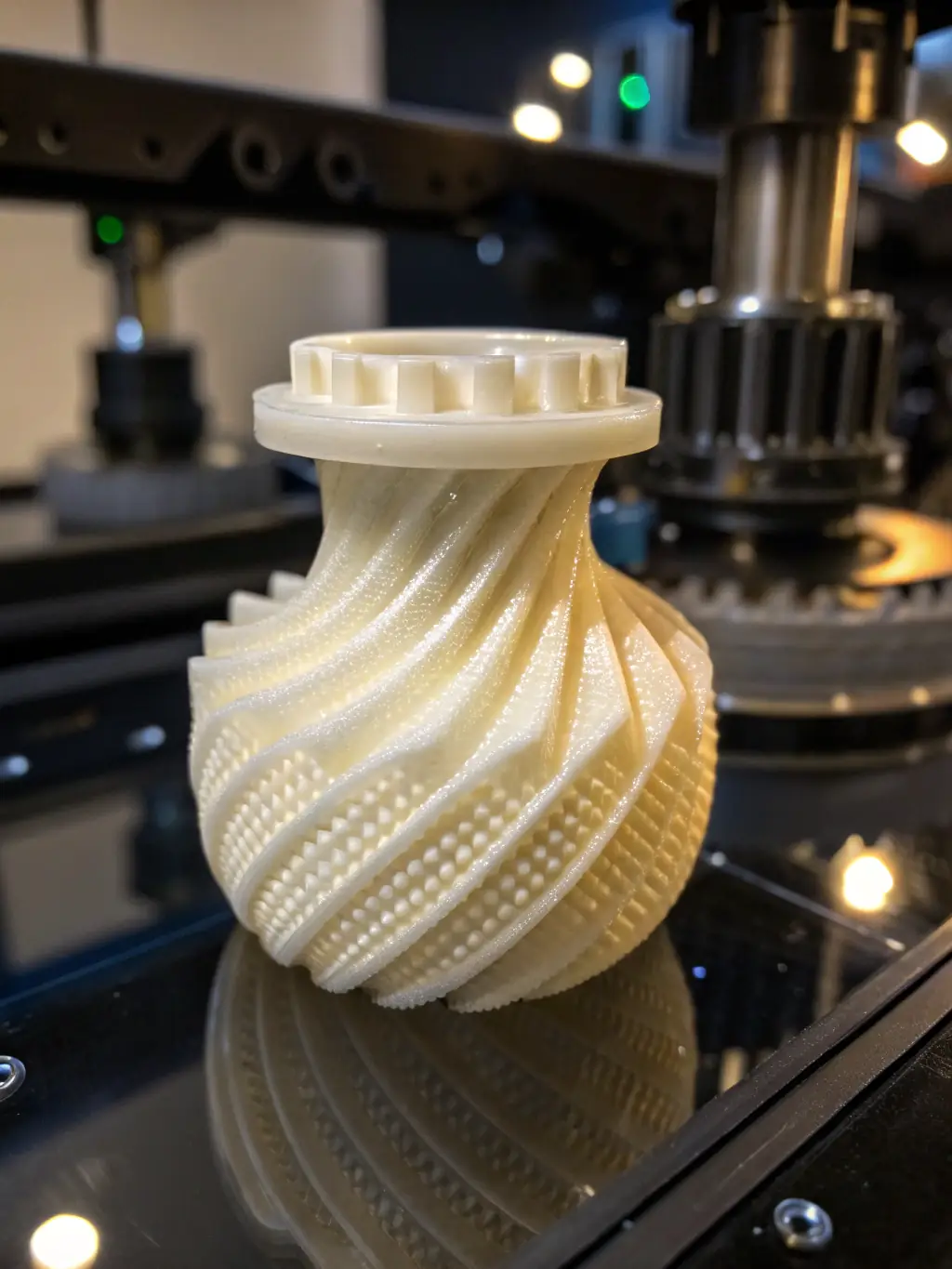
Engineering-grade 3D printing materials in Brisbane
Engineering grade 3D printing in Brisbane, for when PLA and PETG aren’t enough: we print polycarbonate, carbon-fibre and glass-fibre reinforced blends, nylon carbon-fibre (PA-CF) and PLA Aero. These materials demand extra handling — drying, conditioning, and for fibre-filled filaments a dedicated manual feed process — and we do that properly rather than quickly. Tell us the application; we’ll tell you honestly which material fits and what it involves.
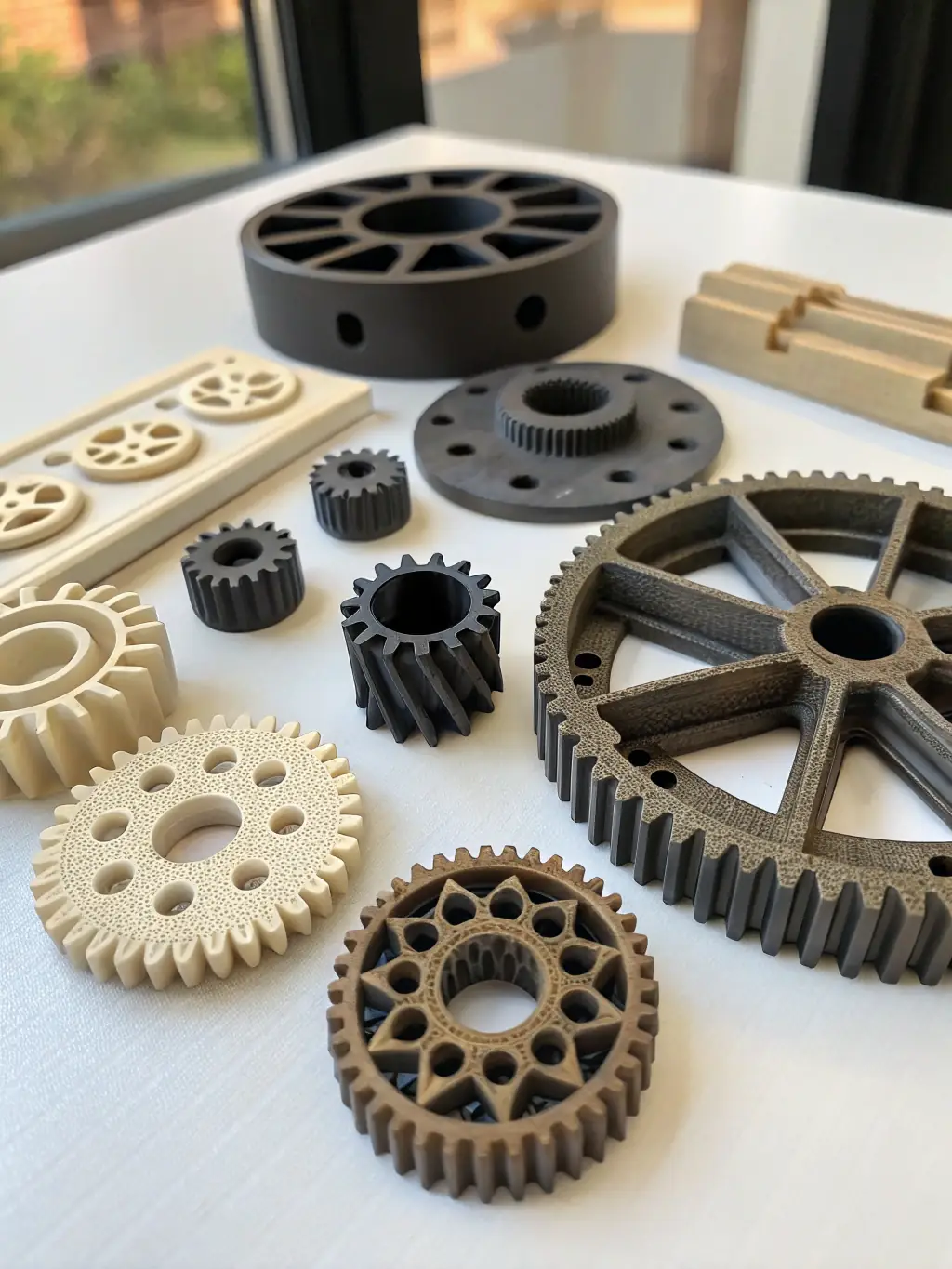
Wear parts and anything that rubs, slides or flexes for a living
We print FDM only — no resin, no metal. If your part genuinely needs another process, we’ll say so and point you in the right direction. These materials are quoted on print time and material weight plus a one-off setup fee for the extra handling; see our prices for the current figures, or upload your files and we’ll itemise it. Most of this work arrives as engineering prototypes.
Tell us the application
Where the part lives, what it carries and how hot it gets decide the material. Send the file and that description and we'll recommend one, with an honest note on what it involves.
When the part sees real heat or hard knocks: enclosures near motors or electronics, brackets under load, housings that must not crack. Polycarbonate keeps its strength at temperatures where PETG softens. It needs drying and conditioning before printing, which is why we quote a setup fee and a longer lead time for it.
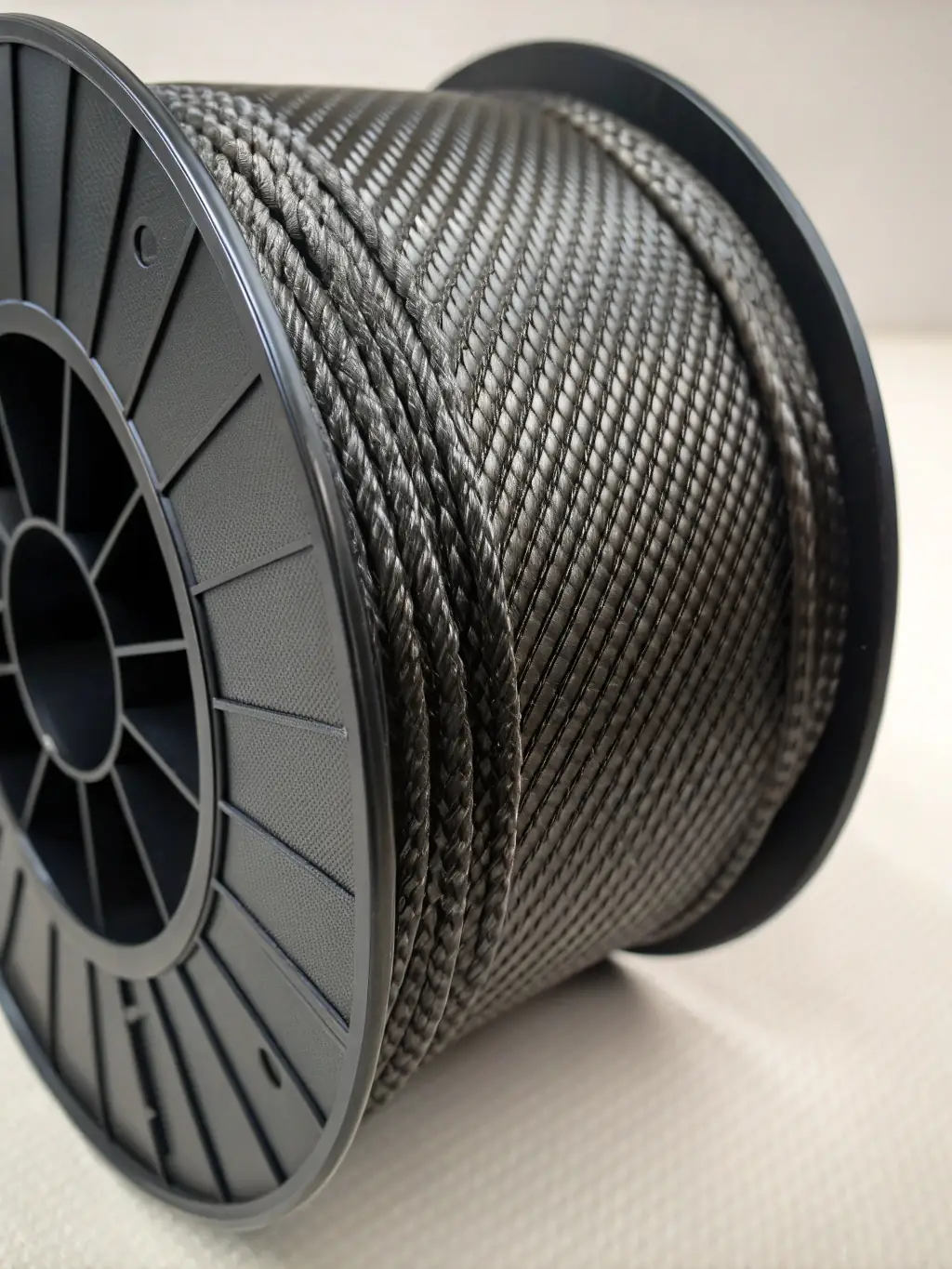
Stiffness and dimensional stability. A PETG-CF or PC-CF part holds its shape under load and heat better than the base material and warps less, at the cost of a matte, slightly rougher surface. Fibre-filled filaments are abrasive and are hand-fed through a dedicated system, so they cost more per gram and per job than plain filament.
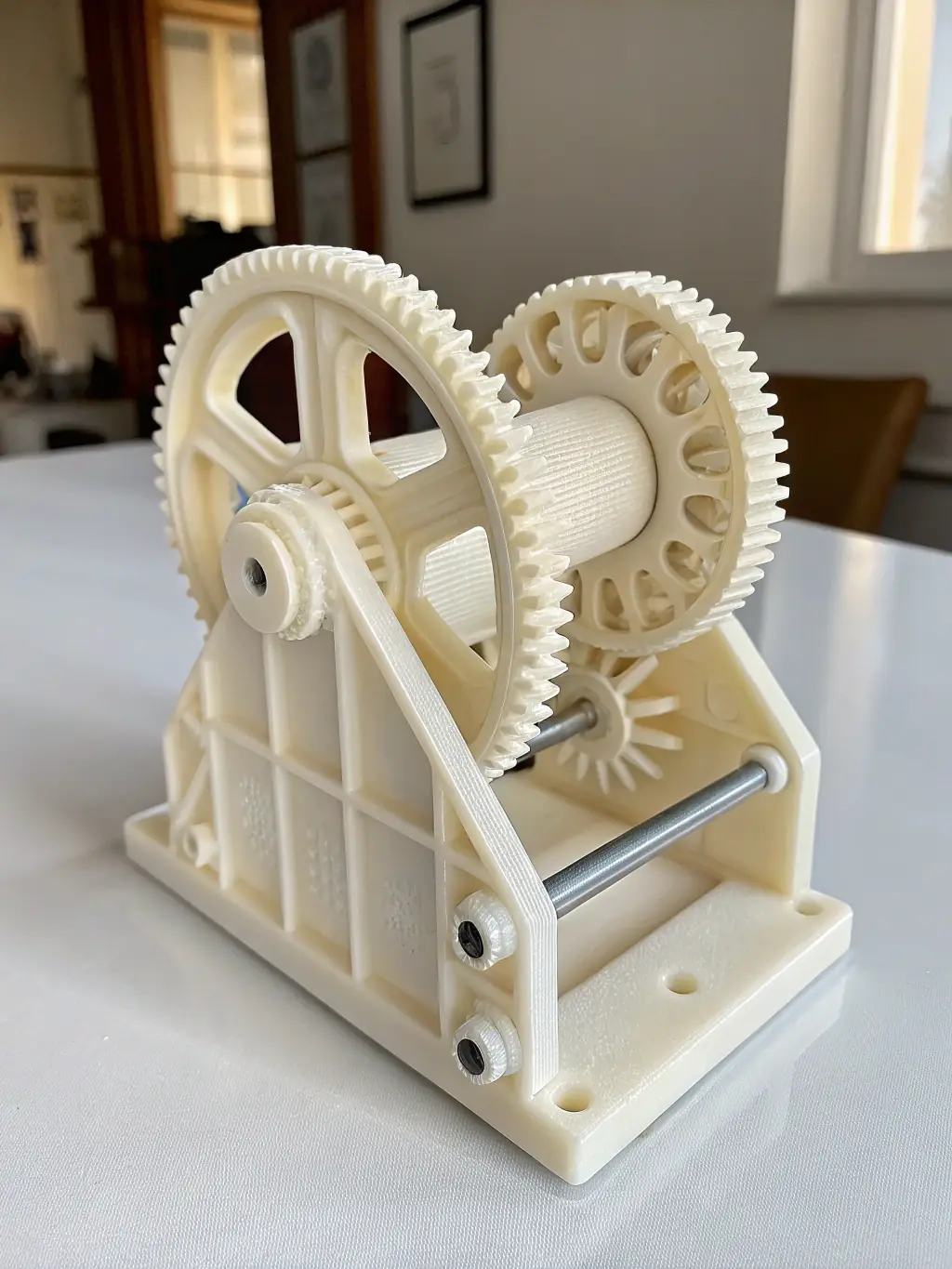
The toughest jobs — gears, wear parts, clips that flex for years, brackets that take both heat and shock. It combines nylon’s toughness with carbon-fibre stiffness. Nylon absorbs moisture quickly, so it is dried before every print and stored sealed.
A foaming lightweight PLA for aeromodelling and other weight-critical parts, printed at low density. It needs extensive calibration for each job, which we quote as a setup fee rather than hiding it in the hourly rate.
No — we don’t print resin or metal; we print FDM only. If your part genuinely needs another process or machining, we’ll tell you as soon as we see the file and point you toward one that fits, rather than print something that won’t do the job.
Drying, conditioning and calibration happen before the printer starts, and some filaments are sourced to order. Allow around two weeks for engineering-material jobs; we give a realistic timeline with every quote and say if a deadline can’t be met.