
Phone: +61 487 043 928 | Email:[email protected]

3D printing materials — a plain-English guide

The right 3D printing materials depend on one question: where will your part live? Indoors on a shelf, outdoors in the Queensland sun, or doing a real mechanical job? Here’s how we choose, in the order we usually recommend.

How we choose

Not sure? Tell us how the part will be used — that’s the first question we ask on every job, and we’ll recommend the material, not just print whatever arrived. Black, white and a range of colours are in stock; almost any colour can be ordered in.

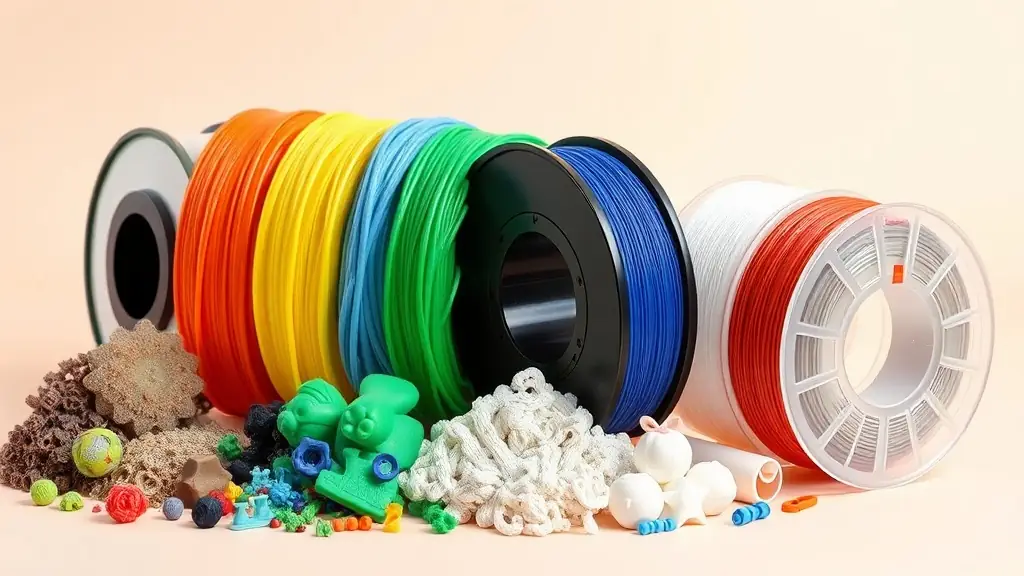
Where each material tends to go: PLA and PLA+ for display pieces and cosplay, PETG and ABS for functional prototypes, ASA for anything outdoors including large-format pieces, TPU for flexible parts. Every job is priced on print time and material — upload your files and we’ll quote it in the material that fits.

Two things every FDM material shares. First, layer lines: prints are built in 0.2 mm layers, so a fine texture is part of the process; for display pieces we can sand, prime and paint for a smoother finish. Second, moisture: ABS, ASA, PETG and TPU absorb water from Brisbane’s humid air, so we dry them in a heated box before every print — in wet weather that adds time to the job, and we’d rather tell you that than rush a weaker part.

PLA and PETG print at our standard rates; other materials add material weight and, for the fussier ones, a one-off setup fee for the extra handling — the prices page lists them.

PLA

Our most popular material. Sharp detail, wide colour range, easy to print. Perfect for display pieces, prototypes and anything living indoors. Not for outdoor use.
PLA+

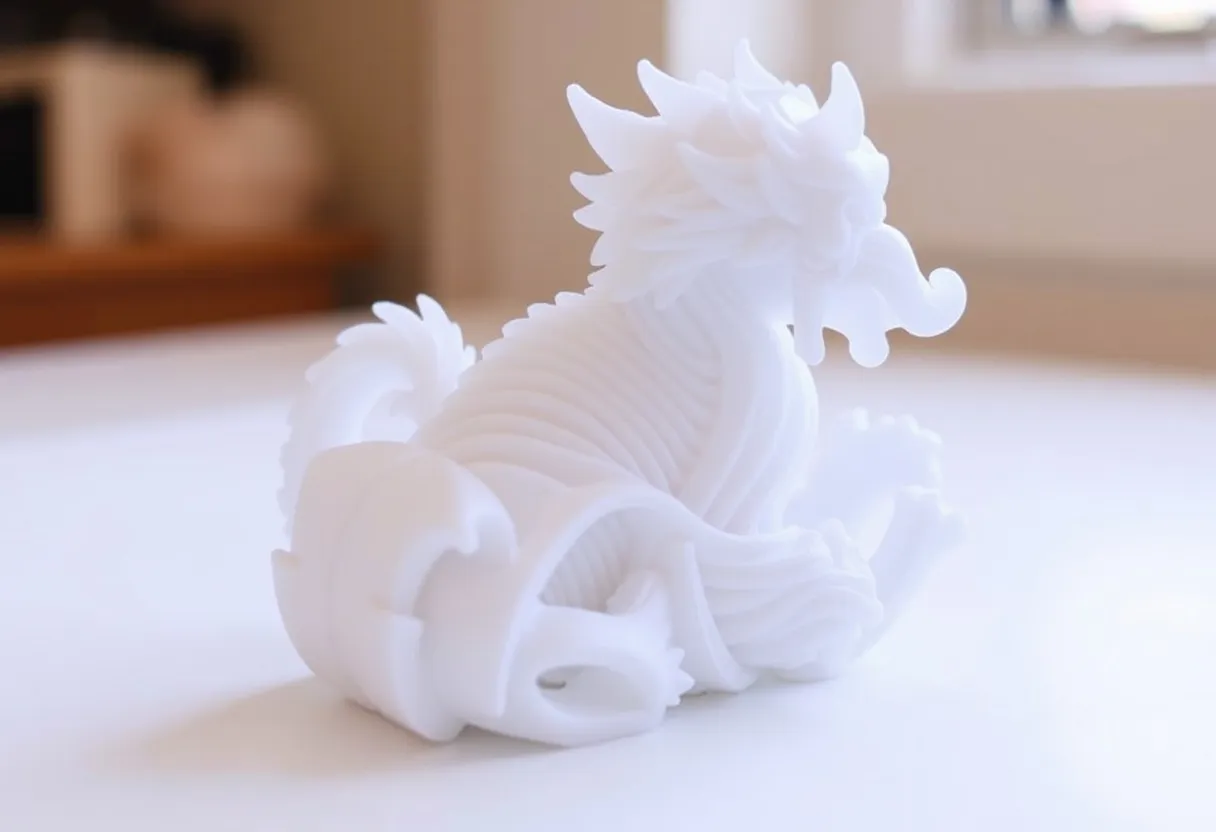
Tougher than standard PLA — a favourite for cosplay and parts that get handled.
PETG

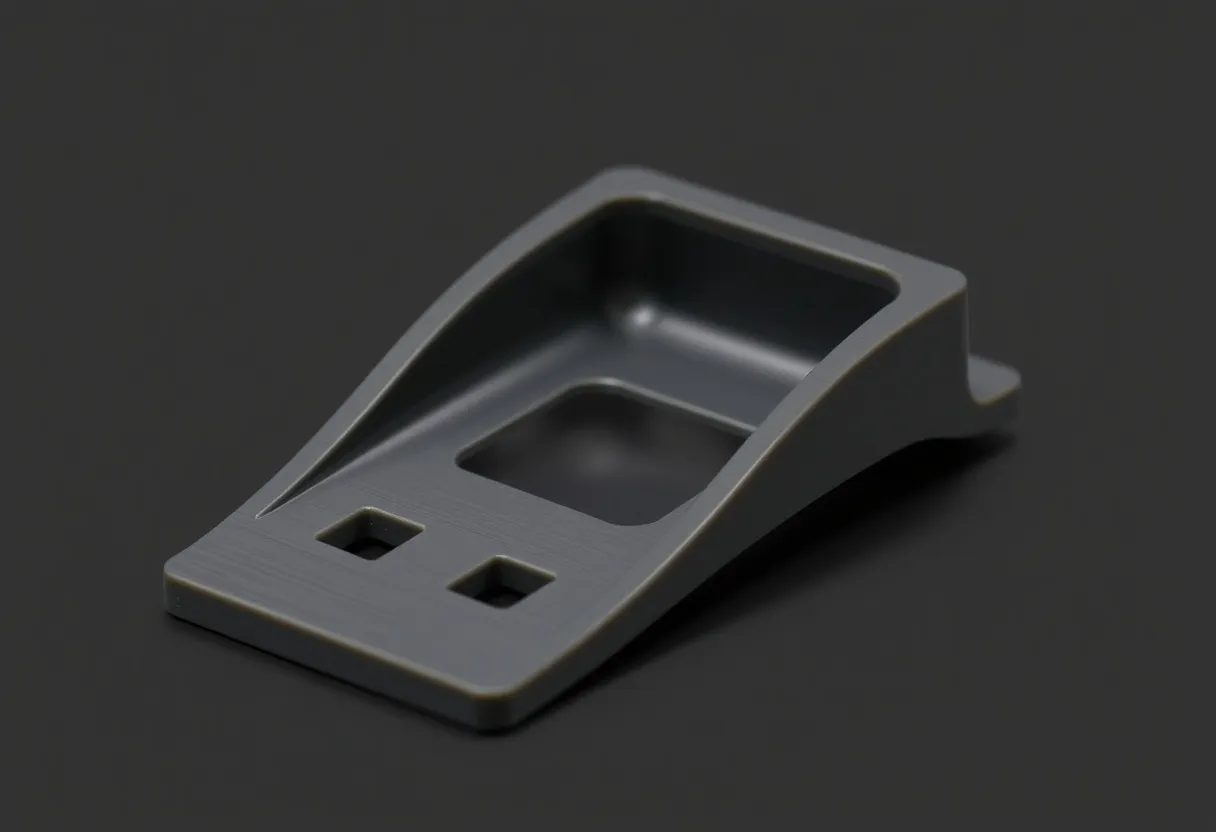
Stronger than PLA and moisture-resistant. Our baseline for functional parts and pieces that need to take a knock.
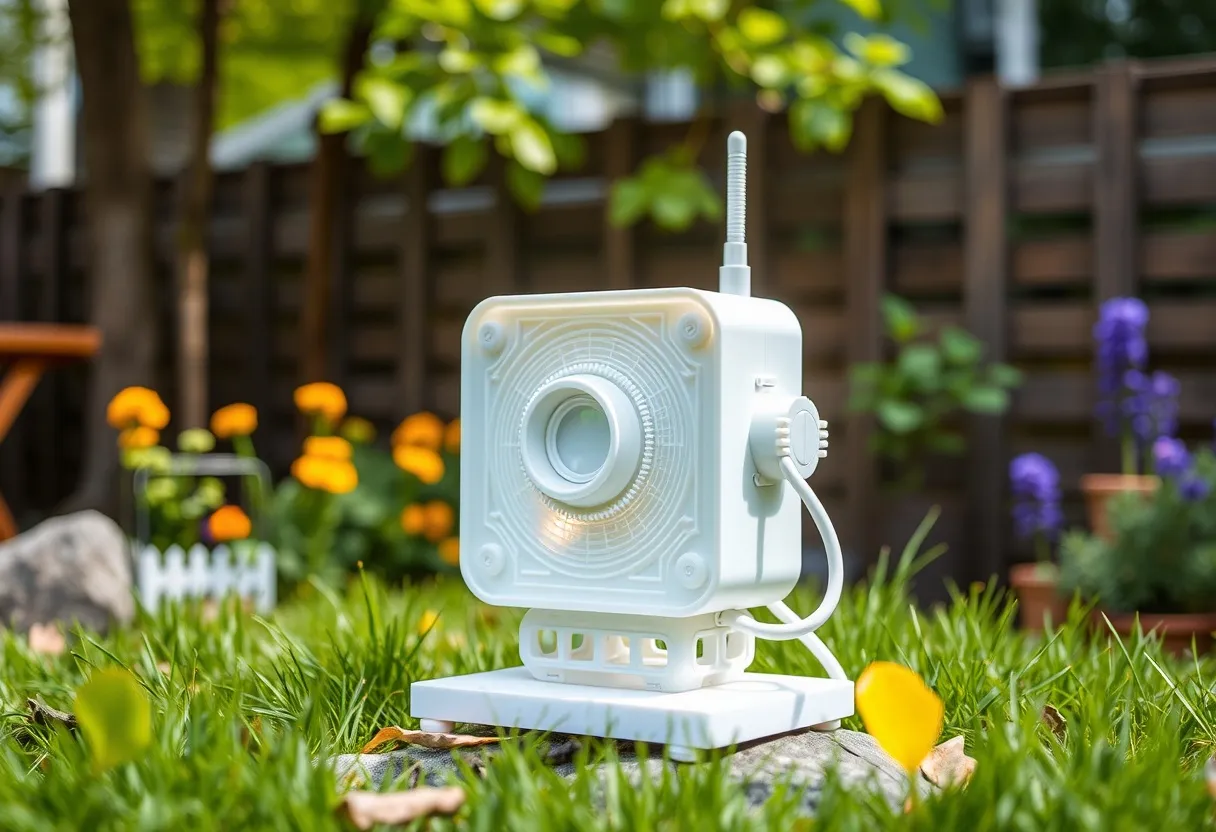
ASA

Built for the Queensland sun. Excellent UV and weather resistance — our pick for anything living outdoors long-term.
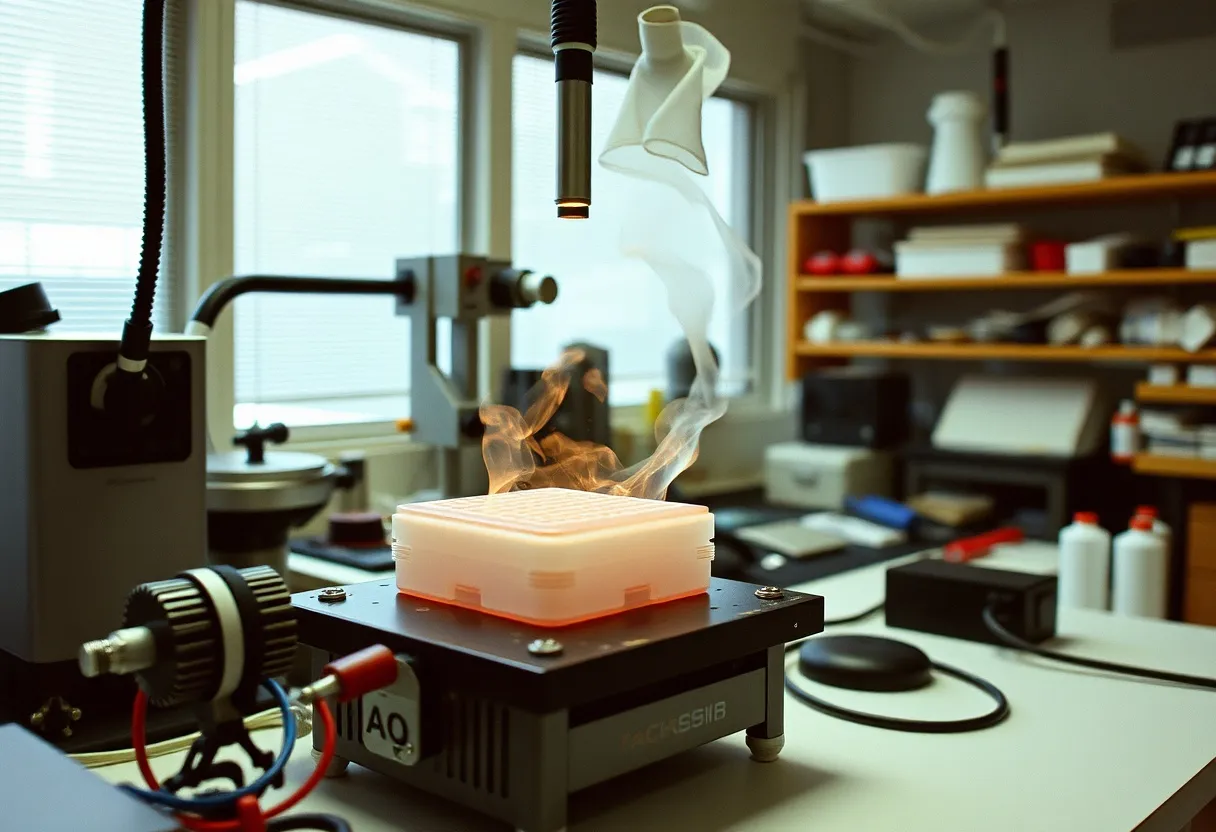
ABS

Strong, impact-resistant and heat-tolerant. A workhorse for functional parts; we dry it before every print for quality.
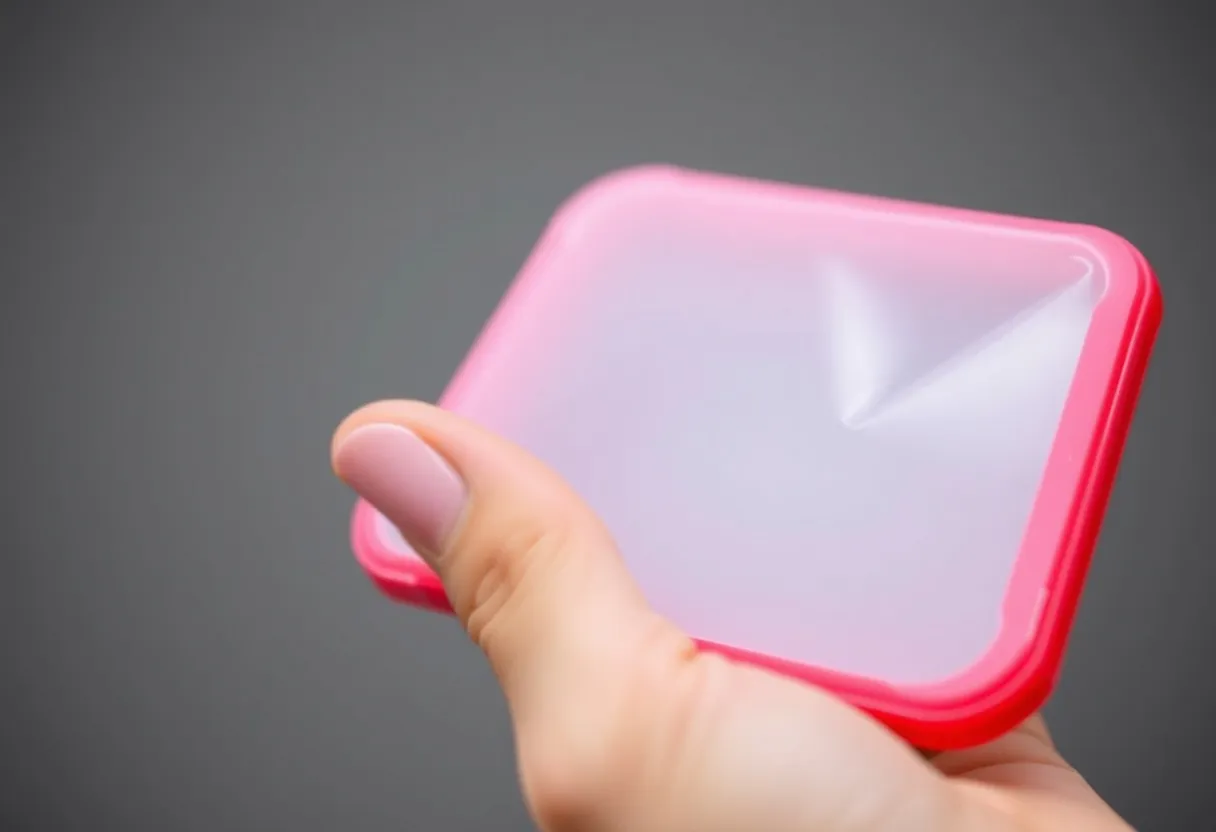
TPU

Flexible and durable — phone cases, seals, grommets, vibration dampeners. Flexible parts print slower; we'll give you a realistic timeline.
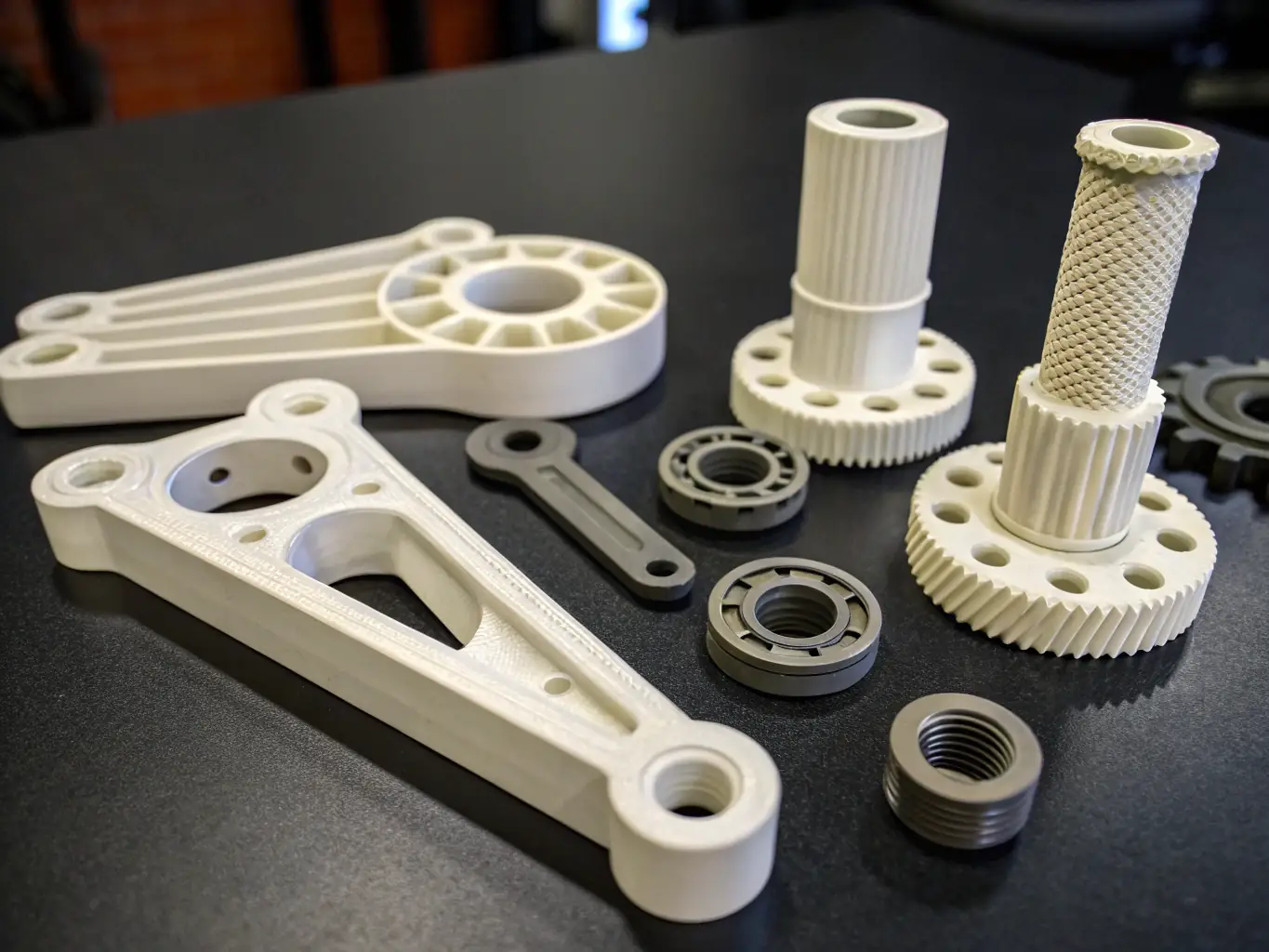
Need something more demanding?

Polycarbonate, carbon-fibre blends, nylon carbon-fibre and other engineering materials have their own page: see our engineering materials. They need drying, conditioning and extra handling, and we do that properly.

A high-resolution image showcasing a variety of engineering-grade 3D printed parts and materials, emphasizing quality and precision