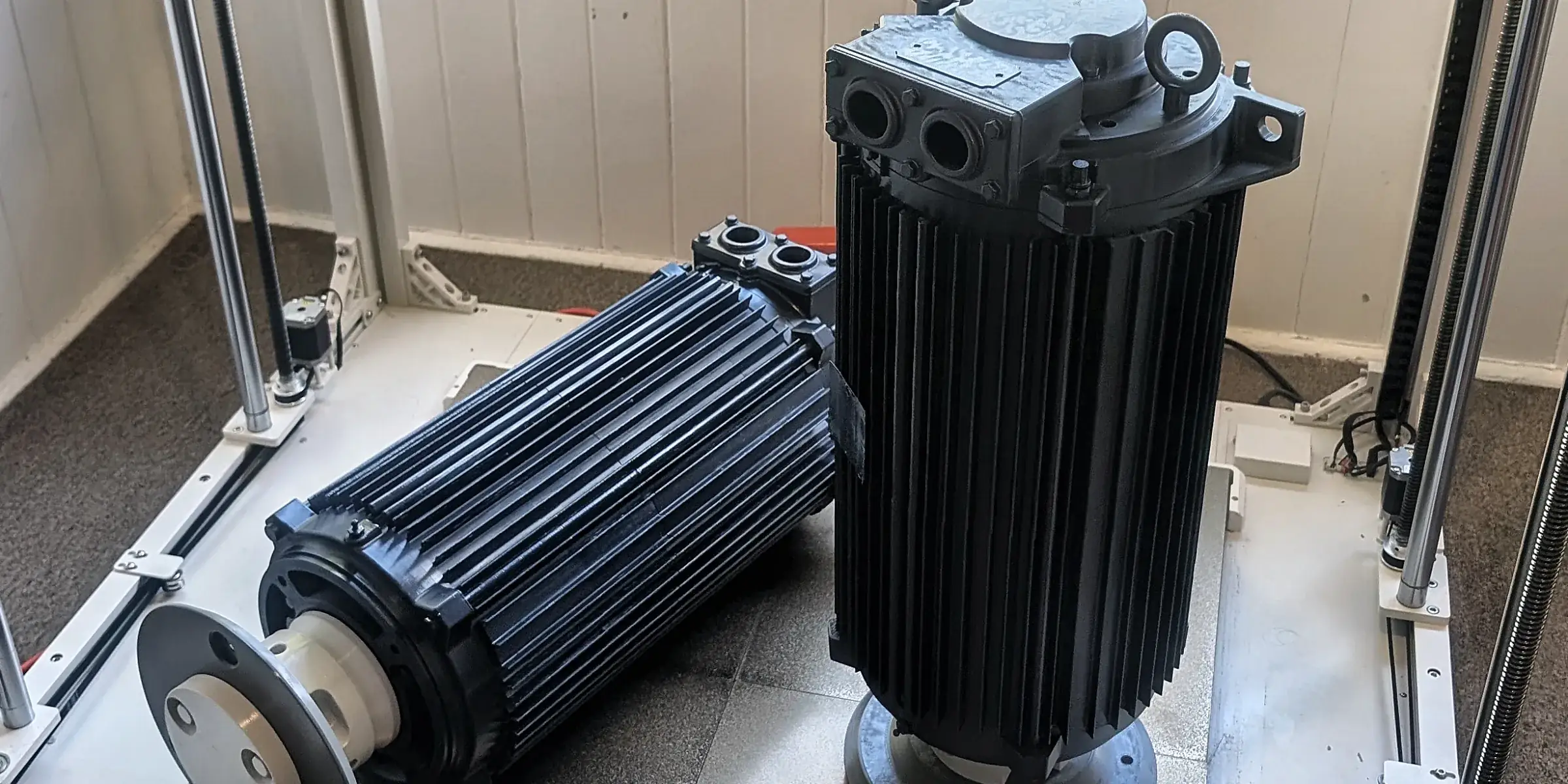
Replicas of discontinued parts, 3D printed in Brisbane
When the manufacturer no longer makes it, we measure the original, model it in CAD, and 3D print a replacement in the material the part's job needs.
- Measured from the original
- Modelled once, reprint anytime
- The CAD file is yours
What it is
Reverse-engineering of small to medium parts from a broken or worn original: trim, clips, knobs, housings, brackets, gears, covers. Typical parts are small plastic components from machinery, cars and appliances.
Who it's for
- Owners of older machinery, vehicles or equipment
- Workshops and mechanics who keep clients' equipment running
- Facilities and maintenance teams with legacy assets
- Collectors and restorers
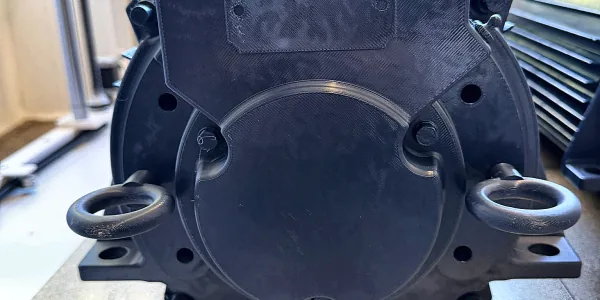
How replication works
Replication runs in four steps: photos first, then the part in our workshop, then a model you review, then the print.
Photos with a ruler for scale
Send a few photos of the part with a ruler beside it. From those we tell you whether replication is the right route before you commit to anything.
The part in our workshop
If we go ahead, we need the physical part in Taringa (drop-off by appointment). Most parts are measured with callipers and modelled directly; organic shapes may be 3D scanned, then cleaned up digitally. Where the original is worn or damaged, we correct for it.
Modelling, which you review
We model the part in CAD and you review the model. Once it's approved, we quote the print on print time and material.
Printed in the material the job needs
PETG or ABS for mechanical duty, ASA for outdoor exposure, TPU for flexible pieces, and engineering materials where the original demands it. We test-fit where you can supply the mating part.
Modelled once, reprint anytime
Reorder in any quantity
Once a part is modelled, you can reorder it in any quantity without paying for the design again. For businesses running ageing equipment, that turns a recurring sourcing problem into an email. The CAD file is yours; we keep a copy for 12 months for reorders, then delete it.
Or skip the modelling
A free model may already exist online for common generic parts. We'll tell you if it does, and save you the modelling cost.
★★★★★
"Brisbane 3D Printing did an outstanding job for me on a very intricate item. The quality of the product in a timely manner and very cost effective was extremely rewarding. I would highly recommend."
What replication costs
Replication is quoted in two stages: modelling at $80 per hour, paid upfront, then the print, quoted on print time and material once you've approved the model. When a shape needs 3D scanning, scanning starts from $250. Reprints only ever cost the print, with a $50 minimum including GST. The modelling side is described on our CAD design and 3D modelling page, and print figures are on our 3D printing prices page.
Materials and limits
- PETG or ABS for most mechanical parts; ASA for outdoor or UV-exposed parts; TPU for seals and flexible parts
- Polycarbonate and carbon-fibre blends for parts under heat or load; see engineering materials
- Tolerances as per engineering prototypes: typically ±0.2 mm on the Bambu Lab machines
What we can't replicate
We can't replicate parts that must be transparent, parts that must be metal, or parts made by a process we don't run, such as resin printing or injection moulding. We say so as soon as we see the photos, before you've paid for anything.
What you receive
- The printed replacement
- The CAD file (STEP and STL) — you own it, so you can reorder or print elsewhere
Replacement part questions
What does it cost to replicate a part?
Modelling is charged at $80 per hour and paid upfront, then the print is quoted on print time and material once you approve the model. Reprints only ever cost the print. See our prices page for typical print figures.
Can you reproduce it from photos alone?
Sometimes, for simple shapes. Photos with a ruler for scale tell us the best route; for an accurate fit we usually need the physical part in the workshop.
Are there parts you can't replicate?
Yes: parts that must be transparent, parts that must be metal, and parts made by a process we don't run, such as resin printing or injection moulding. Parts under high heat or load can often be printed in polycarbonate or carbon-fibre blends, and we tell you where FDM stops as soon as we see the photos.
How long does replication take?
We give you a timeline with the quote. Modelling comes first, then printing once you approve the model; engineering materials take longer because they need drying and conditioning.
Could a model of my part already exist?
Sometimes, for common generic parts. We check first and tell you if a free model already exists online, which saves you the modelling cost.
Do you keep the file?
We keep it for 12 months so reorders are quick, then delete it. You own it.
Get a quote
Send a few photos of the part with a ruler for scale, and we'll tell you whether replication is the right route and what it involves.
Send your files